Can You Spray Foam Over Old Insulation? What to Know First
Can You Install Spray Foam Over Old Insulation
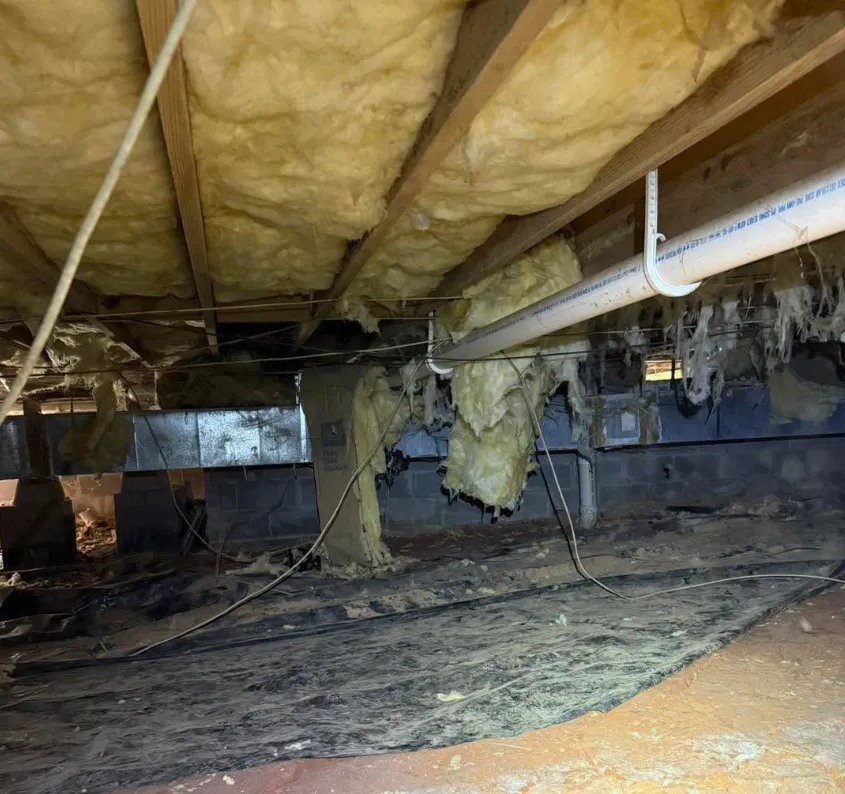
Whether you can install spray foam over old insulation is one of the first questions Georgia homeowners ask, and the short answer is usually no, with a few genuine exceptions worth understanding. Spray foam works by bonding directly to a solid surface and expanding into every gap it finds. Loose, settled, or contaminated material gives it nothing to grip. The foam cures against a layer that is already failing, and the assembly fails with it.
So when does old insulation actually have to come out, and when is removing it a waste of money? The distinction is clearer than most contractors explain.
The Short Answer on Spraying Foam Over Existing Insulation
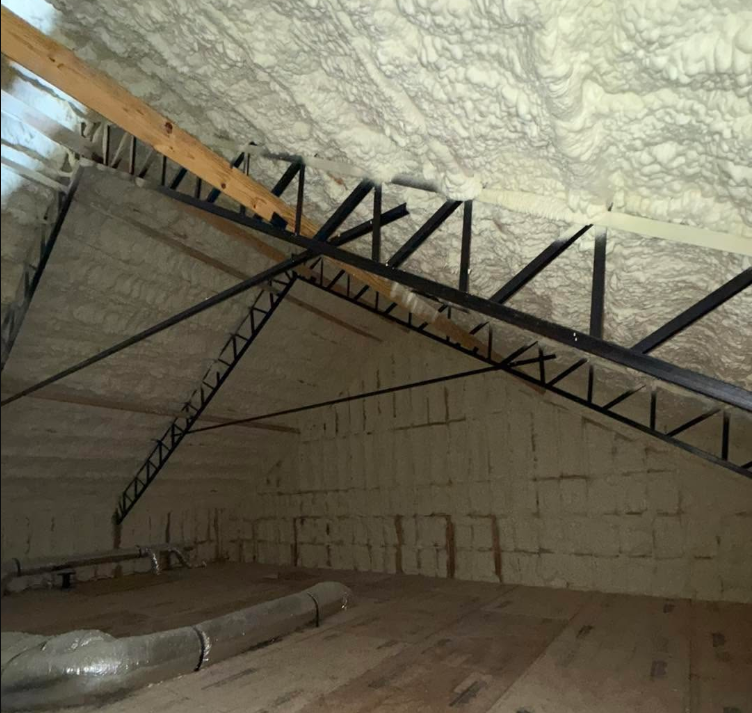
In nearly every attic application, old insulation comes out first. Spray foam goes on the underside of the roof deck while the old material sits on the attic floor, so the two are not in the same plane.
That geometry surprises people. Converting a vented attic into a sealed one, as our piece on why Georgia attics get so hot explains, leaves the floor insulation with no purpose and traps moisture between two layers with nowhere to go. Where foam goes on walls, rim joists, or crawl spaces, the question becomes substrate condition rather than location. Clean, dry surfaces accept foam. Damp or loose ones do not.
Why Spray Foam Needs a Clean Substrate to Bond
Adhesion is chemical, not mechanical. Foam cures against whatever it touches, forming a bond only as strong as that surface. Spray it onto settled fiberglass and the bond is to loose fibers, which hold almost nothing.
Three conditions break adhesion.
Dust and debris. A film of attic dust acts as a release layer between foam and framing.
Moisture. Damp surfaces interfere with the cure reaction and trap water under the foam.
Loose material. Anything that moves under hand pressure moves under cured foam too.
This is why preparation matters more than the foam itself, and why professional insulation removal is so often the first line on an estimate.
When Old Insulation Can Stay and When It Has to Go
Not every attic needs stripping, and a contractor who recommends removal in every case is not assessing anything. Here is where the line actually falls, and it turns on substrate condition rather than age.
Existing Condition | Can Spray Foam Go Over It | Why |
Clean, dry fiberglass batts in walls | Sometimes, with assessment | Substrate may be sound |
Settled or compacted blown in | No | No stable surface to bond to |
Any water damaged material | No | Traps moisture against framing |
Rodent contaminated insulation | No | Seals contaminants in permanently |
Attic floor insulation, roof deck foam planned | No | Creates a moisture trap between layers |
Previously applied spray foam in good condition | Usually yes | Foam bonds well to cured foam |
Notice that only two rows allow foam to go over what is already there, and both depend on the existing layer being sound rather than merely present. If you are unsure which row describes your attic, the seven signs your old attic insulation needs to come out is the quicker diagnostic, and most homeowners can work through it themselves in about ten minutes with a flashlight.
What Happens When Spray Foam Is Applied Over Old Insulation
The failures here are slow and expensive, which is the worst combination. Nothing looks wrong on day one.
Moisture gets sealed in. Damp material under vapor resistant foam cannot dry in either direction.
Contaminants stay permanently. Rodent waste and mold spores are encapsulated, not removed.
Adhesion fails at the edges. Foam separates from framing and loses its air seal.
Framing stays wet. Trapped moisture reaches rafters and keeps them damp year round.
The fix costs more. Removing cured foam plus the material underneath is far harder.
Was the original quote cheaper for skipping removal? Yes, and that is exactly how it becomes expensive.
How Elite Coatings and Insulation Handles Existing Insulation
Every job starts with an assessment, not an assumption, because stripping an attic that did not need it wastes your money just as surely as skipping removal that was necessary.
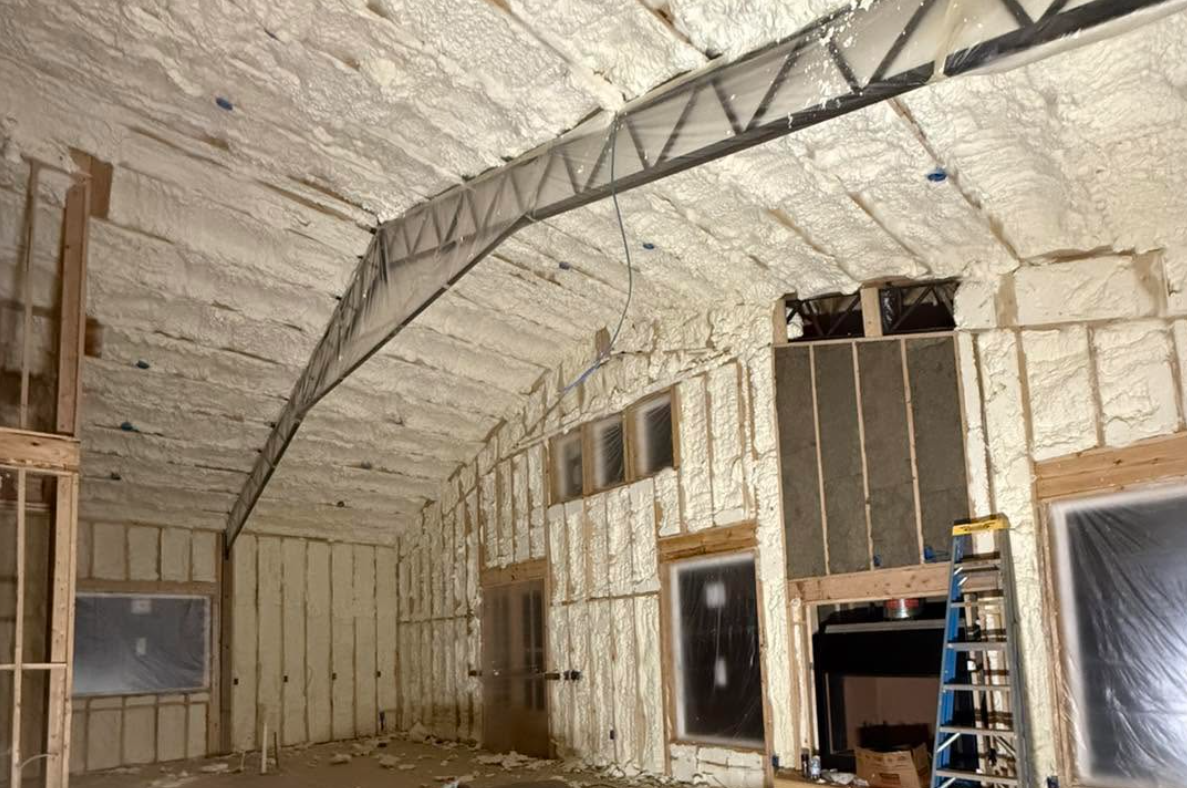
We inspect depth, moisture, contamination, and substrate condition, then recommend removal only where the material would genuinely compromise the new installation. From there we match the foam to the application, whether that is open cell spray foam on a roof deck or closed cell spray foam in a crawl space. Our comparison of open cell and closed cell performance covers that choice in more depth for homeowners weighing both.
Book Your Free Spray Foam Insulation Assessment With Elite Coatings and Insulation
Guessing whether your old insulation can stay is an expensive way to find out. A free assessment from Elite Coatings and Insulation gives you a clear answer on substrate condition, whether removal is genuinely needed, and which foam suits your property. If the existing material can stay, we will tell you that and save you the removal.
We are a family owned, licensed and insured contractor serving Newnan, Sharpsburg, Tyrone, Fayetteville, Peachtree City, Brooks, Senoia, Woolsey, Fairburn, and Locust Grove. We also coat roofs, so see when to schedule a roof coating in Georgia and our guide to commercial roof coating systems.
Request your free assessment today.
Can you spray foam over existing fiberglass insulation?
Usually not in attics. Settled fiberglass gives foam no stable surface to bond to, and attic floor insulation serves no purpose once the roof deck is sealed. Clean, dry batts inside wall cavities are the occasional exception and need an assessment first.
Do you have to remove old insulation before spray foam?
In most attic conversions, yes. Removal is required whenever the existing material is damp, compacted, contaminated, or sitting on the attic floor where roof deck foam is planned. Clean, dry, sound material in the same plane as the new foam may stay.
Can you spray foam over blown in insulation?
No. Blown in material is loose by design and settles over time, so there is nothing solid for the foam to adhere to. It also conceals the framing and penetrations that a proper air seal depends on reaching.
What happens if spray foam is applied over wet insulation?
The moisture is sealed in permanently. Foam resists vapor movement, so trapped water cannot dry in either direction and stays in contact with framing, which invites rot and mold. This is among the most costly mistakes in attic work.
Does spray foam stick to old spray foam?
Generally yes. Cured foam in sound condition is a good substrate for new foam, provided the surface is clean, dry, and free of degradation. We verify conditions before adding to an existing application rather than assuming it.
